In short
- Subcontractor bids differ in scope, for example on scaffolding, waste disposal or shop drawings. Only equal scope makes prices comparable.
- Bid leveling means filling missing items with a substitute amount (plug) that is the same for every bidder.
- Exclusions such as “by others” or “time and materials” become questions or amounts, never silent assumptions.
- As a general contractor, you are liable under certain conditions for obligations of your subcontractors: in Germany (Sec. 14 AEntG, Sec. 28e SGB IV), Austria (Sec. 67a ASVG) and Switzerland (Art. 5 EntsG).
As of 27 November 2026. Legal texts for DE, AT and CH and the SECO page checked in the original. Not legal advice.
Why is a price comparison not enough for subcontractors?
Because subcontractors quote work, not just material. Two bids for the same trade can differ in whether scaffolding, waste disposal, shop drawings or site setup are included. The lowest total is then not automatically the cheapest bid.
The basic structure of a bid tabulation is covered in the guide to line-by-line bid comparison. This article covers the work before and after it: aligning the scope, checking qualification and knowing the liability you take on when you award.
What is bid leveling in a subcontractor quote comparison?
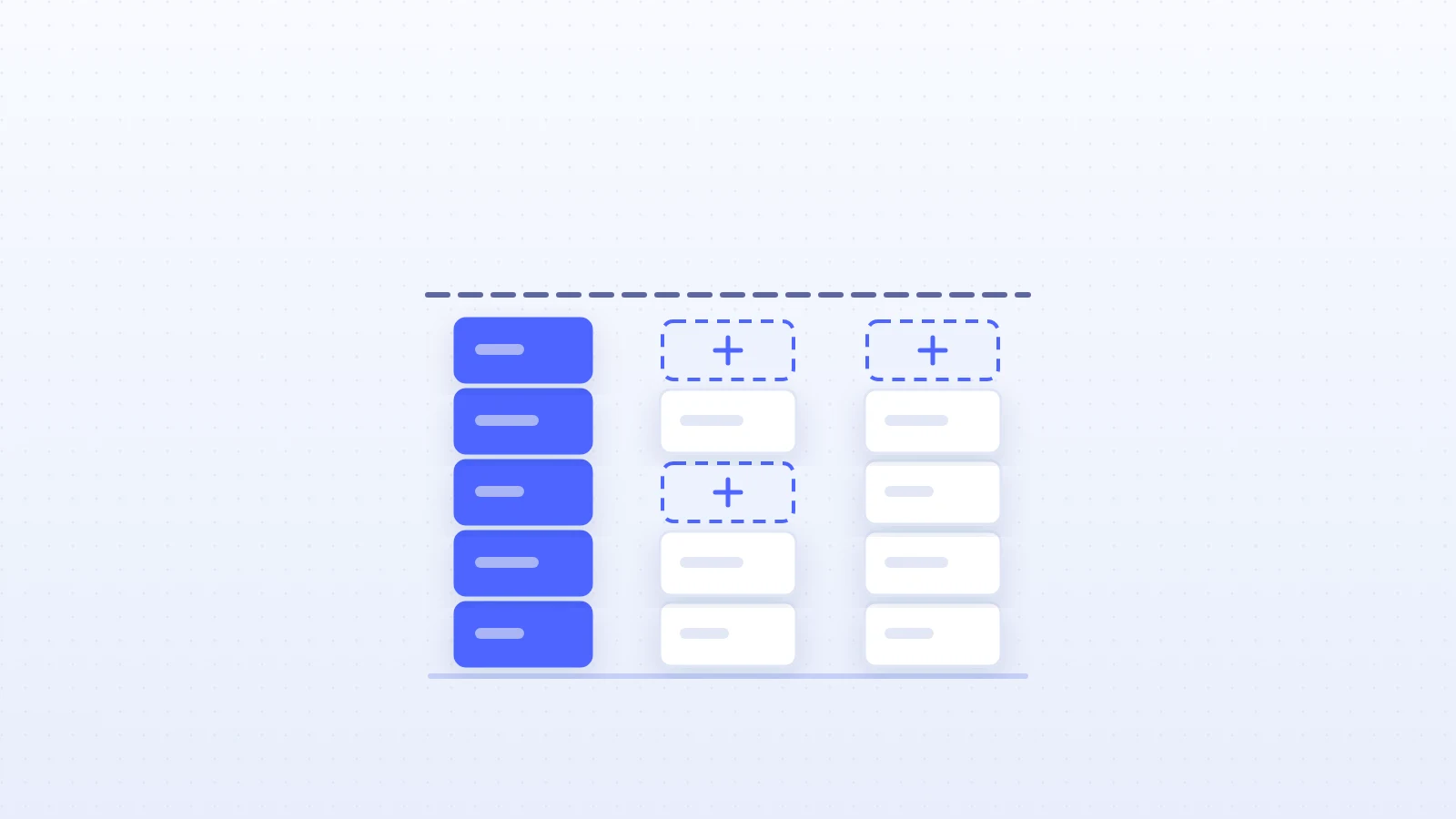
Bid leveling means bringing every bid to the same scope before you compare prices. The term comes from construction procurement in English-speaking markets. In German, people speak of “Offerten nivellieren” or aligning the scope of work.
The result is a leveled total per bidder that compares like with like. The bid tabulation is the table, bid leveling is the work on it. How to spot unusual unit prices afterwards is covered in the guide to analysing the bid tabulation.
How do you build a scope checklist for all bidders?
With a list of every item a bid might include and a note per bidder: included, excluded or unclear. The list comes from the bill of quantities and from the inclusions and exclusions the bidders write themselves.
| Item | What to check | If missing |
|---|---|---|
| Site setup | Containers, power, storage | Plug or question |
| Scaffolds, lifts | Who provides, who pays rent | Plug from own estimate |
| Disposal | Offcuts, packaging, skips | Plug, lump sum or per tonne |
| Drawings | Shop and installation drawings | Question, then plug |
| Testing | Inspections and reports | Question |
| Day rates | Hourly rates for extra work | Compare separately |
Not a complete list. Adapt the items per trade, for building services for example with commissioning and balancing.
Send the list with the request. Bidders then fill in the scope themselves and you need fewer follow-up questions. How bidders clarify unclear items on their side is covered in the article on tender clarification questions.
How do you price missing items fairly?
With a plug: a substitute amount for each missing item that is the same for every bidder with the same gap. It comes from your own estimate or from another bid that includes the item. Note the source and do not change the amount per bidder.
Worked example (fictional): three drywall bids
Three subcontractors bid for the same drywall package. B leaves out the lift and waste disposal, C the shop drawings. The plugs come from the contractor's own estimate: lift €7,800, disposal €4,300, shop drawings €3,500.
| Bidder | Bid | Leveled |
|---|---|---|
| A, complete | €184,600 | €184,600 |
| B, no lift or disposal | €171,200 | €183,300 |
| C, no drawings | €178,900 | €182,400 |
All amounts are fictional. B: €171,200 + €7,800 + €4,300. C: €178,900 + €3,500.
Before leveling, B was €13,400 below A, afterwards only €1,300. The ranking flips, and C is the cheapest once leveled. A plug is not an award, though: ask B and C whether they will add the missing items at a firm price, and replace the plug with that price.
A bid is only cheap once it includes the same as the others.
How do you handle exclusions and assumptions?
List them per bidder and turn each one into a question or an amount. Examples are “by others”, “time and materials”, “subject to access” or a price reservation for material.
- By others: clarify who delivers the item. If it stays with you, a plug belongs in the total.
- Time and materials: ask for day rates and estimated hours, otherwise the item cannot be compared.
- Programme and access: check assumptions against the construction schedule and have them confirmed.
- Price reservations: note validity and reference value. How to compare validity and terms is covered in the article on discounts, early payment and freight.
Ask every bidder with the same exclusion the same question and keep the answers in writing. That keeps the comparison traceable, also later in the award recommendation.
How do you compare lump-sum bids with unit-price bids?
By having the lump sum broken down and by extending the unit-price bid with the quantities from the bill of quantities. Only then are both on the same basis. What separates the price types is explained in the glossary on unit price, lump sum and total price.
- Lump sum without breakdown: ask for a split by the sections of the bill of quantities so that gaps in scope become visible.
- Unit prices: use the quantities from the bill of quantities and mark different quantities in the bid.
- Quantity risk: who carries it depends on the price type. Record in the comparison which type each bidder chose.
Which qualification documents do you collect before the award?
The documents that show the subcontractor can deliver the work in the planned period and meets its obligations to its workers. The choice is yours. The laws in DE, AT and CH do name documents that reduce your liability, though.
- References: comparable projects with a contact person.
- Capacity: installers available in the planned period and site management on site.
- Insurance: public liability cover with amount and term.
- Prequalification (DE): it rules out fault under contribution liability if it proves suitability under Sec. 6a VOB/A (Sec. 28e (3b) SGB IV).
- HFU list (AT): if the subcontractor is on it when the contract price is paid, liability does not apply (Sec. 67a ASVG).
- Wage documents (CH): documents with which the subcontractor credibly shows compliance with minimum pay and working conditions (SECO).
- Further subcontracting: whether and to whom the subcontractor passes on work.
How public clients evaluate bids against fixed criteria is covered in the guide to award criteria. In private procurement you set the criteria yourself, ideally before opening the bids.
Which liability do you take on as a general contractor?
In Germany, Austria and Switzerland, the contracting company is liable under certain conditions for obligations of its subcontractors. This concerns workers' wages and social security contributions. Scope and release differ by country.
| Rule | Content | Release |
|---|---|---|
| DE: Sec. 14 AEntG, Sec. 13 MiLoG | Net minimum pay, liable like a guarantor | None in the legal text |
| DE: Sec. 28e (3a) SGB IV | Contributions for construction work, from €275,000 per building (para. 3d) | Prequalification |
| AT: Sec. 67a ASVG | Contributions, up to 20% of the contract price | HFU list or paying the liability amount |
| CH: Art. 5 EntsG | Pay and working conditions, whole chain, secondary | Due diligence at each subcontract |
Summary as of 27 November 2026. The linked legal text prevails. Not legal advice.
For Switzerland, SECO names three elements of due diligence: documents on pay and working conditions at the time of award, a contractual approval requirement for each further subcontract and an overview on site of which subcontractors are working there (SECO).
In Germany, where VOB/B is agreed, the contractor may only pass work to subcontractors with written consent, except for work its business is not set up for. It names the subcontractors with contact details no later than the start of their work (Sec. 4 (8) VOB/B).
Outside these three countries, other rules apply. Check them before your first award in a new market.
How do you document the comparison for the award?
With one page per package that shows four things: bid totals, plugs with source, leveled totals and open points per bidder. Add the status of the qualification documents.
This page becomes the award recommendation. If the package is over budget, the guide to checking the bid tabulation against the budget helps. If bids are still missing, the article on tracking quote responses shows how to follow up.
What does Scalera handle, and what does your team decide?
Scalera assigns each item in the bill of quantities to the right manufacturer or subcontractor and sends requests with the same line-item overview. Scalera reads incoming bids and places them side by side in the bid tabulation, line by line. Anyone who has not replied gets an automatic reminder (Quote comparison).
Existing framework agreements, regional responsibilities and preferences are taken into account in the assignment (Supplier Matching). Scope checklist, plugs, qualification checks and the award stay with your team.
FAQ
What is the difference between bid leveling and bid tabulation?
The bid tabulation is the table of all bids side by side. Bid leveling is the work of aligning the scope so that the totals in that table can be compared at all.
Where do I get the amount for a plug?
From your own estimate or from another bid that includes the item. Note the source and use the same amount for every bidder with the same gap.
Should I ask subcontractors to price the gap themselves?
Yes, if there is time before the award. A firm price from the bidder replaces the plug. Ask every bidder with the same gap at the same time and with the same deadline.
Which columns belong in a bid leveling spreadsheet?
Per bidder: bid total, included and missing items, plugs with source, exclusions, leveled total and status of qualification documents. It stays readable with one column per bidder and one row per item.
What is the HFU list?
Austria's list of companies that release clients from liability (HFU-Gesamtliste). If the subcontractor is on it when the contract price is paid, the client's liability for its social security contributions does not apply (Sec. 67a ASVG).
Does contribution liability also apply to pure material deliveries?
The rules refer to construction work or to work in the main and finishing construction trades (Sec. 28e (3a) SGB IV, Sec. 67a ASVG, Art. 5 EntsG). Whether a delivery with installation falls under them is something to check case by case.
Does Scalera also read subcontractor bids?
Yes. Scalera sends requests to manufacturers and subcontractors and reads the incoming bids to place them side by side in the bid tabulation (Quote comparison). Evaluation and award stay with your team.
Key takeaways
- Align the scope first, then compare prices.
- Value missing items with a plug that is the same for every bidder, and note the source.
- Turn exclusions into questions or amounts and ask every bidder the same question.
- Collect qualification documents before the award. Prequalification (DE), the HFU list (AT) and wage documents (CH) reduce liability.
- One page per package with bid total, plugs, leveled total and open points makes the award traceable.
Next steps
Take your last subcontractor package, put the scope checklist next to it and recalculate the leveled totals. In a demo you can see how requests, responses and the bid tabulation come together for manufacturers and subcontractors.
Note: Scalera is the publisher of this guide. The worked example is entirely made up. For legal questions, the linked provisions and your contracts apply; this text is not legal advice.
Sources
- Germany: Sec. 14 AEntG, liability of the client, Sec. 13 MiLoG, liability of the client and Sec. 28e SGB IV, para. 3a, 3b and 3d, retrieved from gesetze-im-internet.de on 27 November 2026
- Germany: Sec. 4 (8) VOB/B, performance in own business and subcontractors, dejure.org, accessed 27 November 2026
- Austria: Sec. 67a ASVG, liability when commissioning construction work, RIS, accessed 27 November 2026
- Switzerland: SECO, Solidarhaftung (joint liability) and Posted Workers Act (EntsG), SR 823.20, Art. 5, accessed 27 November 2026
- Scalera, Quote comparison and Supplier Matching, accessed 27 November 2026